
The National Botanic Garden of Wales is delighted to host the 2026 Wales Real Food and Farming Conference, which brings together people across the food and farming network to discuss building systems that benefit both people and the planet.
It’s a fitting place for these conversations. Set within a former Regency estate and farmed landscape in Carmarthenshire, the National Botanic Garden of Wales is perhaps best known for its horticultural collections and displays. But beyond the formal garden lies a working landscape where farming and nature conservation have been closely linked for more than 25 years.
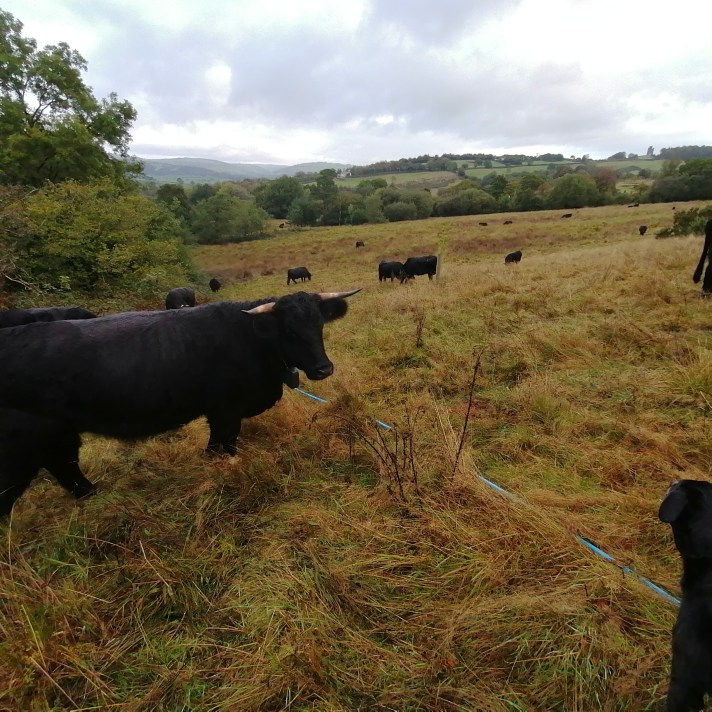
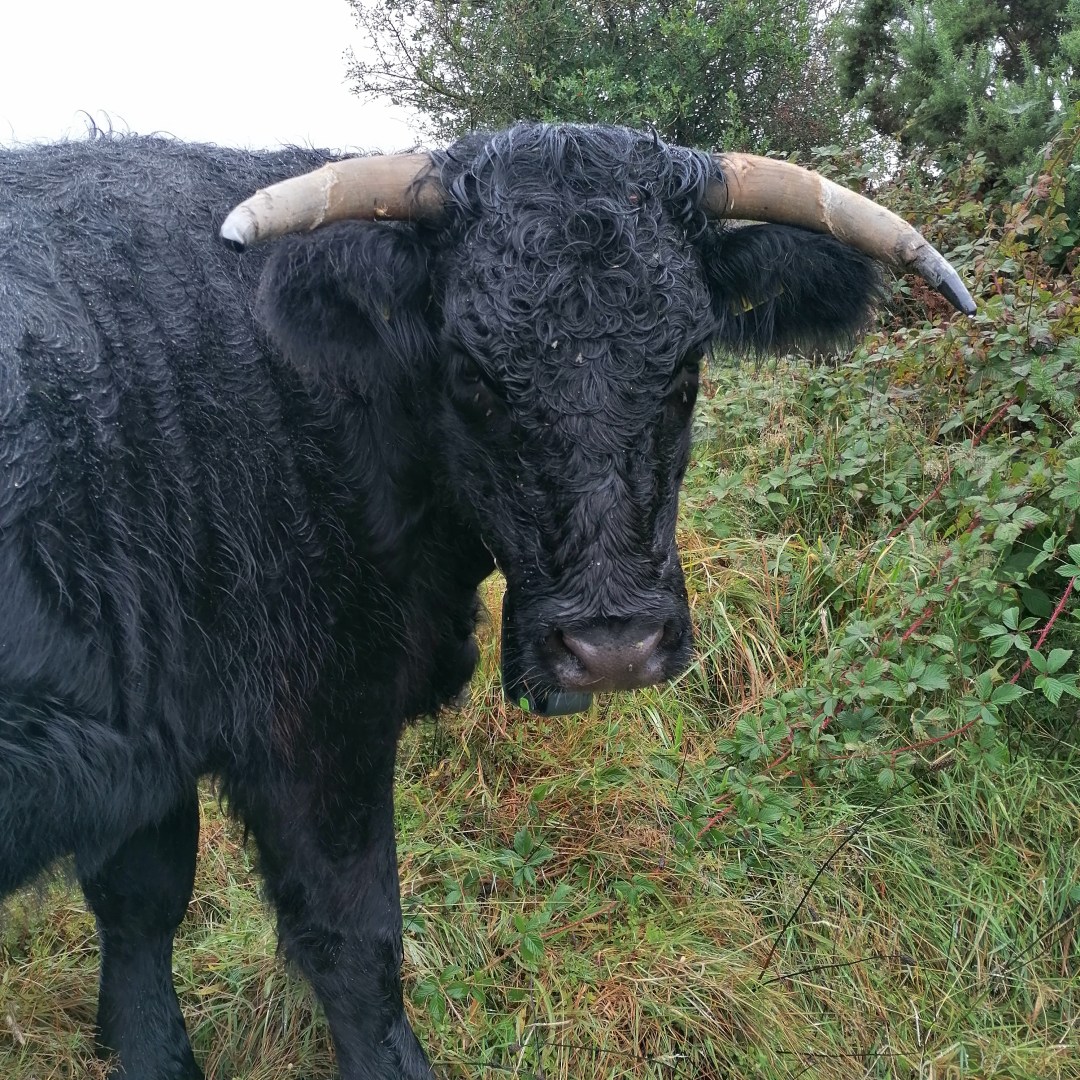
Since the Garden opening in 2000, Pantwgan Farm and what is now Waun Las National Nature Reserve (NNR) have been managed organically, with Welsh Black cattle. In 2008, this 150-hectare landscape was designated as a National Nature Reserve, recognising its species-rich hay meadows, marshy grasslands, and permanent pastures as an important part of Wales’s natural heritage.
A vital part of the Botanic Garden’s mission is to both conserve and educate people on our natural heritage. In Waun Las, visitors can walk through a landscape that demonstrates biodiversity can be supported through managed farm systems: from the annual hay cut that helps to maintain the characteristic plant communities of meadows, to the short, unploughed sward of permanent pasture that allows grassland fungi to thrive.
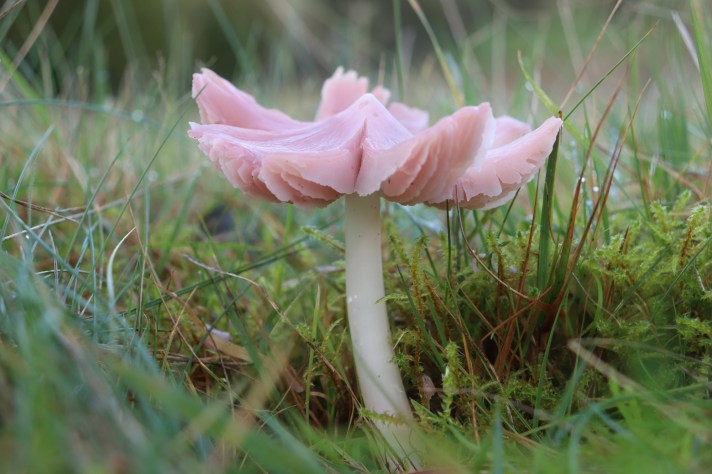
In autumn, the waxcap fungi of Waun Las NNR are among the species highlights on site. These grassland species are often vividly coloured and, in some cases, fragrant. They have become increasingly rare in the Welsh countryside as they cannot tolerate fertilisers or ploughing and their presence is a sign of long-established grassland. Within a single field in Waun Las, we have recorded 10 species that are listed as Vulnerable on the IUCN Red List of Threatened Species – the same category as species such as the manatee or polar bear. What might look at first glance like an ordinary grazed field is, in fact, home to an internationally recognised community of threatened fungi.
This is where the wider mission of the Botanic Garden comes together: conserving nature, understanding it, and sharing what we learn with the people who visit us.
While Waun Las demonstrates the importance of conserving biodiversity in situ, the Botanic Garden also plays an important role in the ex situ conservation of the Welsh flora. In our orchard, we house the National Collection of Welsh Apple Varieties, conserving a potential genetic resource for future generations. In the Botanic Garden’s seed bank, we store seed collections from some of our most threatened native plants, providing insurance against the loss of Welsh-provenance plant material while supporting research, habitat restoration and species reintroduction conservation projects.
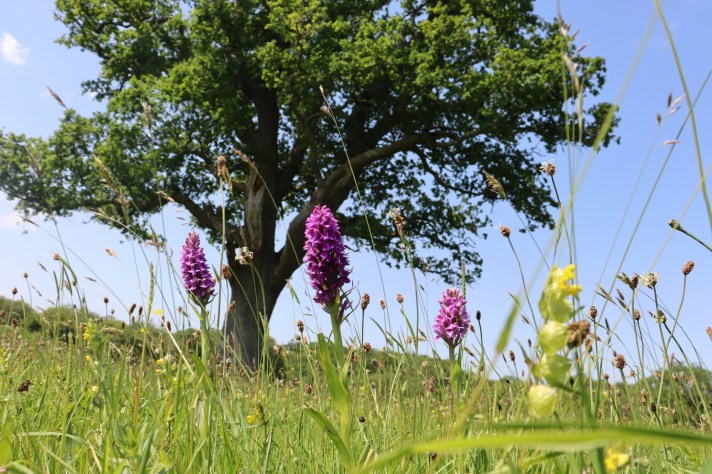
From the plants we grow, to the livestock that graze our fields, and the wild plants and fungi that depend on how those fields are managed, the landscape of the Botanic Garden illustrates just how closely food, farming and biodiversity are connected.
It is this shared ground that makes the Garden such an appropriate setting for the Wales Real Food and Farming Conference, and where we can explore not only how we produce food, but how the way we farm can help shape the future of our landscapes, our wildlife and our communities.
By Dr Laura Jones, National Botanic Gardens Science Officer and Ieu Davies, Manager Waun Las NNR and Pantwgan Farm


